
Country
Kenya
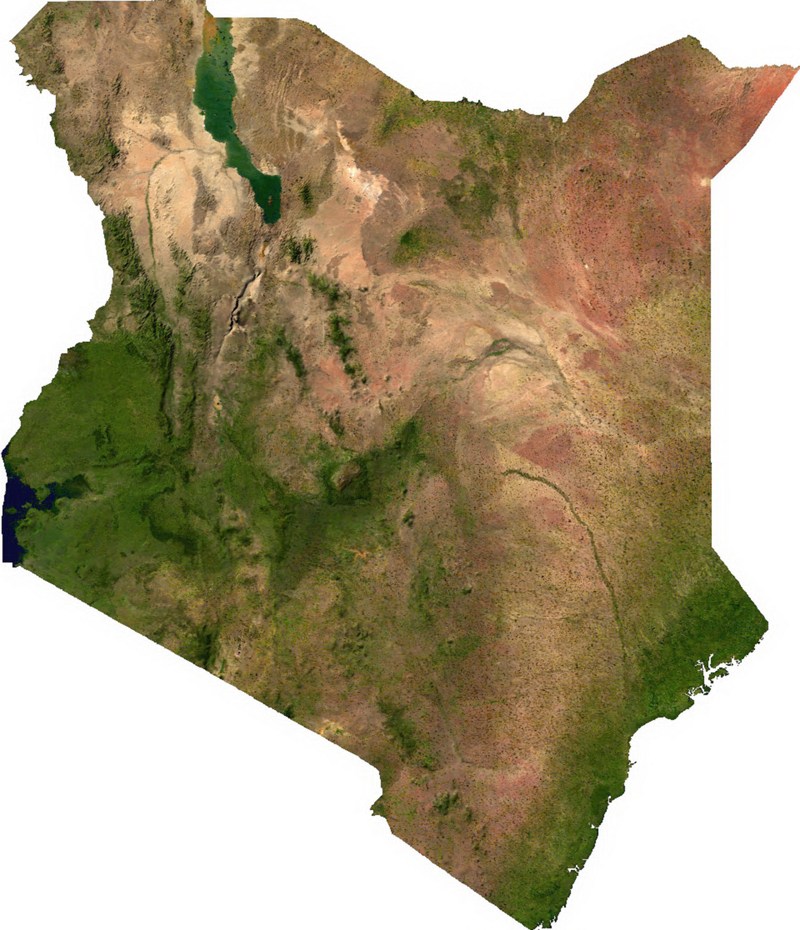
Kenya, located in East Africa, is known for its diverse landscapes, vibrant culture, and dynamic economy. Spanning 580,367 square kilometers, it has a population of approximately 55 million people. Nairobi, the capital, is a regional hub for commerce, while Mombasa is a key port and tourist destination. Kenya’s economy, one of the largest in Africa, is driven by agriculture (33% of GDP), tourism, and manufacturing. Key exports include tea, coffee, and horticultural products. The country is also recognized for its thriving wildlife tourism and leadership in digital innovation, with mobile banking services like M-Pesa transforming financial access.
With a young population (over 75% under 35), Kenya operates as a multiparty democracy under the 2010 constitution. English and Kiswahili are official languages, and the country is home to over 40 ethnic groups. Geographically, Kenya features varied climates, from tropical coasts to arid northern regions, with iconic landmarks like Mount Kenya and the Great Rift Valley. Despite challenges such as poverty and unemployment, Kenya continues to advance through infrastructural development, technology, and regional partnerships.
Building resilience in regreened landscapes through dynamic multi-stakeholder and multisectoral partnerships
Partner Organization(s): World Agroforestry (ICRAF), World Vision (WV), Catholic Relief Services (CRS), Cooperative for Assistance and Relief Everywhere (CARE), Oxfam, and Sahel Eco.
Country/Region(s): Ethiopia, Ghana, Kenya, Mali, Niger, Rwanda, Senegal, and Somalia
Adaptation Sector Thematic Area(s): Strengthen Coordination and Collaboration Between Member States
Summary:
Over the last five years, the Regreening African programme has played a crucial role in restoring stability to regional communities whose livelihoods are dependent on healthy lands, by addressing land degradation and fostering climate resilience, through agroforestry. This initiative has built a dynamic multi-stakeholder partnership, which has bolstered transboundary adaptation efforts and successfully bridged the gap between science, policy and implementation at various scales.
Supporting the inclusion and engagement of gender and youth in climate policies in Uganda and Kenya
Country/Region(s): Uganda and Kenya
Adaptation Sector Thematic Area(s): Gender and Youth (Cross-cutting)
Summary:
Most countries recognize the value of intergenerational and gender-responsive approaches to adapting to climate change. Several countries have made concerted efforts to promote inclusivity in the development and design of their NDCs, their National Adaptation Plans and national climate policies and legal frameworks. This includes Uganda, Zambia, Kenya and South Africa. Gender inclusivity is essential in adaptation efforts because women have unique knowledge and experiences related to climate impacts that can improve the resilience and sustainability of the country’s policies. Similarly, young people will be the most affected by climate change in the future, raising the importance in gathering their views and ideas when attempting to develop resilient policy options for adaptation. Young people are also often at the forefront of innovation and technology, both crucial elements for improving resilience.
Promoting meaningful stakeholder engagement through Kenya’s Climate Smart Agriculture Multi-Stakeholder Platform
Partner Organization(s): International Livestock Research Institute (ILRI), Biovision, WWF, Climate Change Unit, Ministry of Agriculture and Livestock Development, Kenya, ILRI, Biovision, WWF, WoFAK, ACTN, and many more
Country/Region(s): Kenya
Adaptation Sector Thematic Area(s): Strengthen Coordination and Collaboration Between Member States
Summary:
The Kenya Climate Smart Agriculture Multi-Stakeholder Platform (CSA MSP) provides a coordination and networking mechanism for stakeholders within the agriculture and climate change sector of Kenya to share experiences and identify synergies in their activities. Chaired by the head of the Climate Change Unit of the Ministry of Agriculture and Livestock Development, the CSA MSP aids in the implementation of the Ministry’s Climate Smart Agriculture Strategy and Implementation Framework.
Participatory Climate Action for Peace Climate-Smart Villages Case Study Community Based Participation
Partner Organization(s): CGIAR Trust Fund
Country/Region(s): West Africa, East Africa including the Horn of Africa, South Asia, Southeast Asia, Latina America (forthcoming: South Africa)
Adaptation Sector Thematic Area(s): Community-Based, Participatory Climate Action
Summary:
The project aims to create Climate Smart Villages (CSVs) and promote the adoption of Climate-Smart Agriculture (CSA) approaches while encouraging national governments to participate. It also strives to set new standards for conflict-sensitive and peace-responsive climate action through innovative methods and toolkits, serving as a model for such initiatives. Climate-Smart Villages are examples of local actions that promote adaptation and resilience to climatic stresses.
Protecting pastoralist against climate risks through Index Based Livestock Insurance
Partner Organization(s): Takaful Insurance of Africa (TIA)
Country/Region(s): Kenya – Takaful is operational in the entire ASAL region of Kenya. IBLT plus is rolled out in 5 in Samburu, Isiolo, Turkana, Marsabit and Garissa County. Other counties include Tana River, Moyale, Wajir, and Mandera.
Adaptation Sector Thematic Area(s): Food Systems
Summary:
Takaful Insurance of Africa (TIA), through the partnership with the International Livestock Research Institute (ILRI), developed the first insurance policy that combines a financial risk mitigation instrument with innovative use of satellite imagery to compensate pastoralists before drought-induced losses occur, providing pastoralists with the needed reserves to cover supplemental feed to mitigate livestock losses.
Climate Finance for Transboundary Adaptation and Natural Resource Management: How the NDC Delivery Lab is Mobilizing Resources
Partner Organization(s): African Group of Negotiators Experts Support (AGNES), the Alliance of Biodiversity and CIAT, the International Livestock Research Institute (ILRI), and the Global Green Growth Institute (GGGI).
Country/Region(s): Kenya, Ethiopia, and South Sudan
Adaptation Sector Thematic Area(s): New and Innovative Finance Mechanisms
Summary:
The NDC Delivery Lab is an approach being used to translate policy into actionable and bankable investments that achieve implementation of climate action. The NDC Delivery Lab approach brings together a range of stakeholders to jointly identify and prioritize problems and then co-create solutions with the aid of innovations and inventions from research and innovation centres. This is translated into high-impact bankable investment plans which are implemented as projects on the ground. The
Climate Smart Agriculture Investment Plan for Kenya
Partner Organization(s): Accelerating the Impact of CGIAR Climate Research for Africa (AICCRA), International Development Association (IDA) of the World Bank, Ministry of Agriculture and Livestock Development (MoALD), Kenya Climate-Smart Agriculture Multi-Stakeholder Platform (CSA MSP) and Communities.
Country/Region(s): Kenya
Adaptation Sector Thematic Area(s): Adaptation Finance
Summary:
Kenya’s Climate Smart Agriculture Investment Plan (CSAIP) is a strategically developed and stakeholder-engaged initiative that identifies and prioritizes climate-resilient agricultural investments. It aims to create a nationally supported portfolio, leveraging resources from various stakeholders, including the private sector, international donors, and public institutions, to transform the agricultural sector, aligning with Kenya’s existing programmes and international frameworks.
Drought risk financing and index- based livestock insurance in northern Kenya and southern Ethiopia
Partner Organization(s): Donors to the International Livestock Research Institute (ILRI), the World Bank through the Kenyan government, livestock keepers, private insurance companies, ILRI, and the Kenyan and Ethiopian governments.
Country/Region(s): Kenya and Ethiopia
Adaptation Sector Thematic Area(s): Disaster Risk Management
Summary:
De-risking investments in livestock value chains is possible through provision of index-based livestock insurance. Pastoralists can build resilience against droughts by insuring their livestock, and other services can be bundled together with the insurance to help improve herd health, offer additional financial services and provide climate information services. Index based Livestock Insurance (IBLI), for which standard premiums and payouts are determined within defined geographic insurance units, relies on Normalized Different Vegetation Index (NDVI) satellite imagery, a proxy for available biomass, to make payments to those policyholders living in regions that are affected by poor forage availability compared to the average conditions. Compensation is provided early in the season to minimize livestock losses by supporting drought coping strategies.
No resources found for Kenya.
No resources found for Kenya.
No resources found for Kenya.
Contact Us
Phone Number:
(+252) 617 963 284
icaep@igad.int
Location:
KM5, Afgoye Road, Mogadishu, Somalia
Sat – Thurs: 8:00 am – 5:00 pm
News & Updates
Signup to receive the latest IGAD CAEP news, articles, and resources, sent straight to your inbox every month.
Connect With Us
Contact Us
Phone Number:
(+252) 617 963 284
icaep@igad.int
Location:
KM5, Afgoye Road, Mogadishu, Somalia
Sat – Thurs: 8:00 am – 5:00 pm
News & Updates
Signup to receive the latest IGAD CAEP news, articles, and resources, sent straight to your inbox every month.