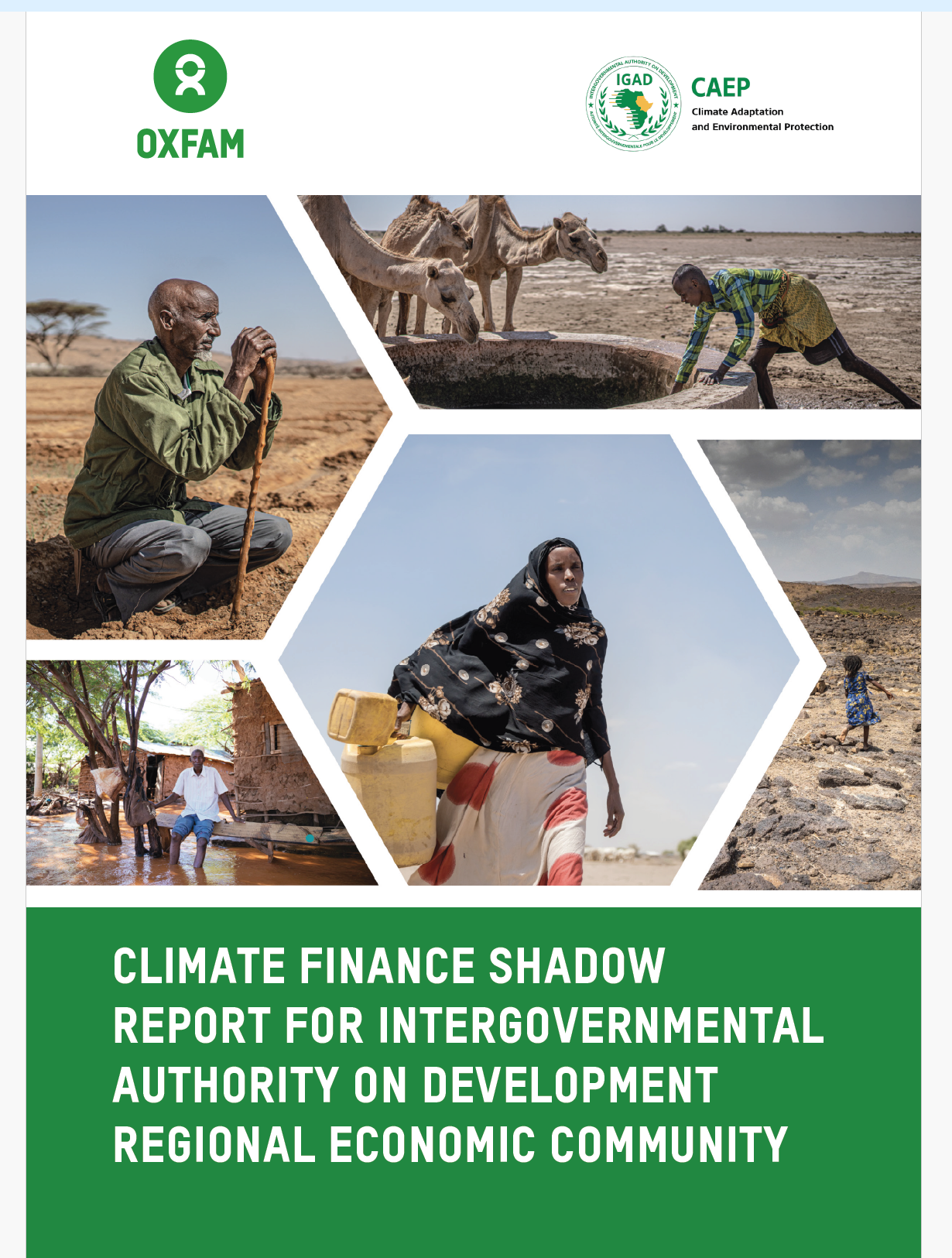
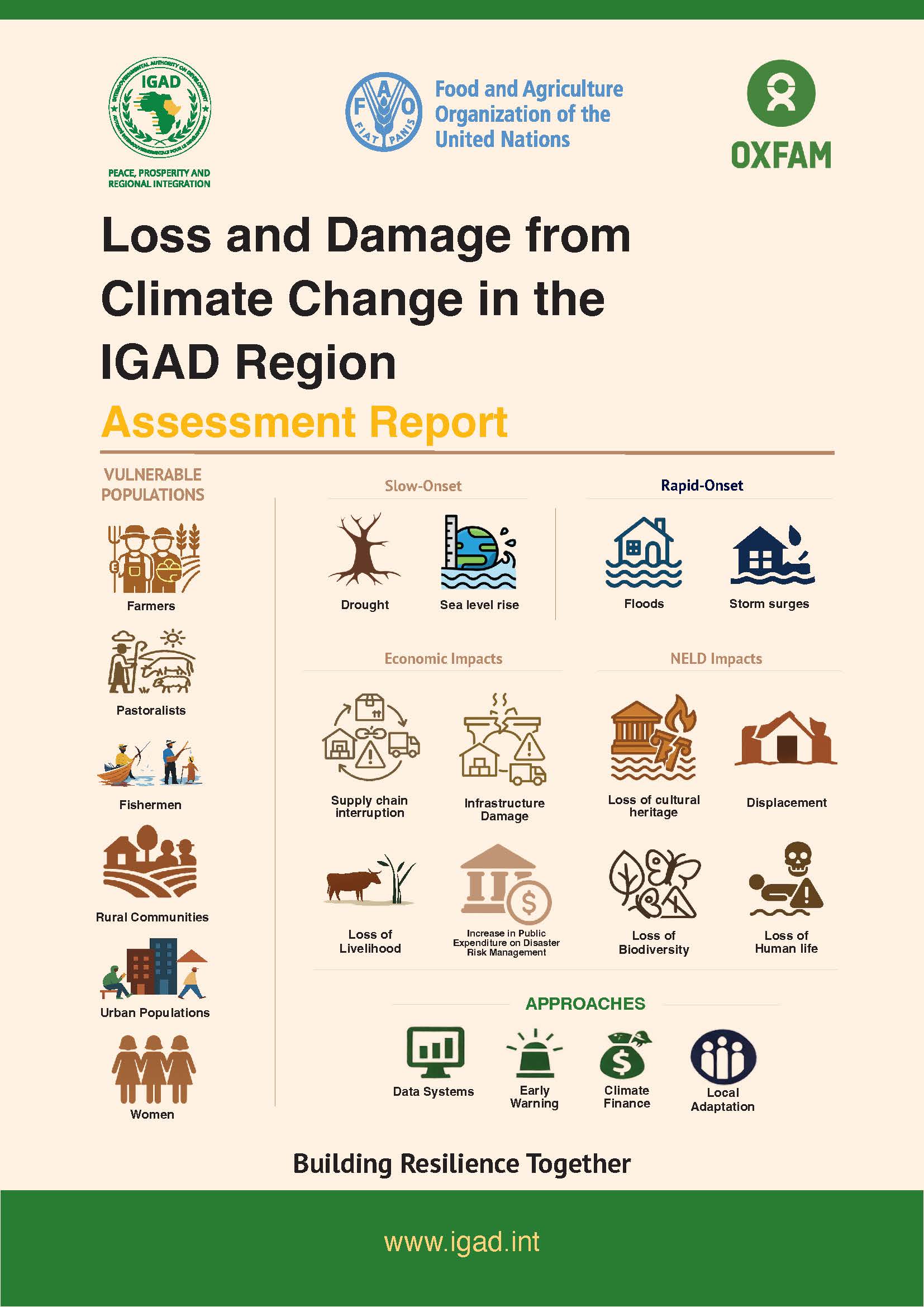
The Loss and Damage from Climate Change in the IGAD Region Assessment Report was prepared by the IGAD Centre of Excellence for Climate Adaptation and Environmental Protection (IGAD CAEP) hosted under ICPAC, with financial support from the Food and Agriculture Organisation (FAO) and OXFAM.
IGAD CAEP, Federal Ministry of Education in Somalia, and UNICEF Somalia Convene a Stakeholders’ Forum to Launch the Somalia Climate Education Task Force in Mogadishu, Somalia.
The purpose of this paper therefore is to examine the way in which resilience has been financed in the IGAD region, and to propose a shift in the way in which it is structured to maximise access and impact.
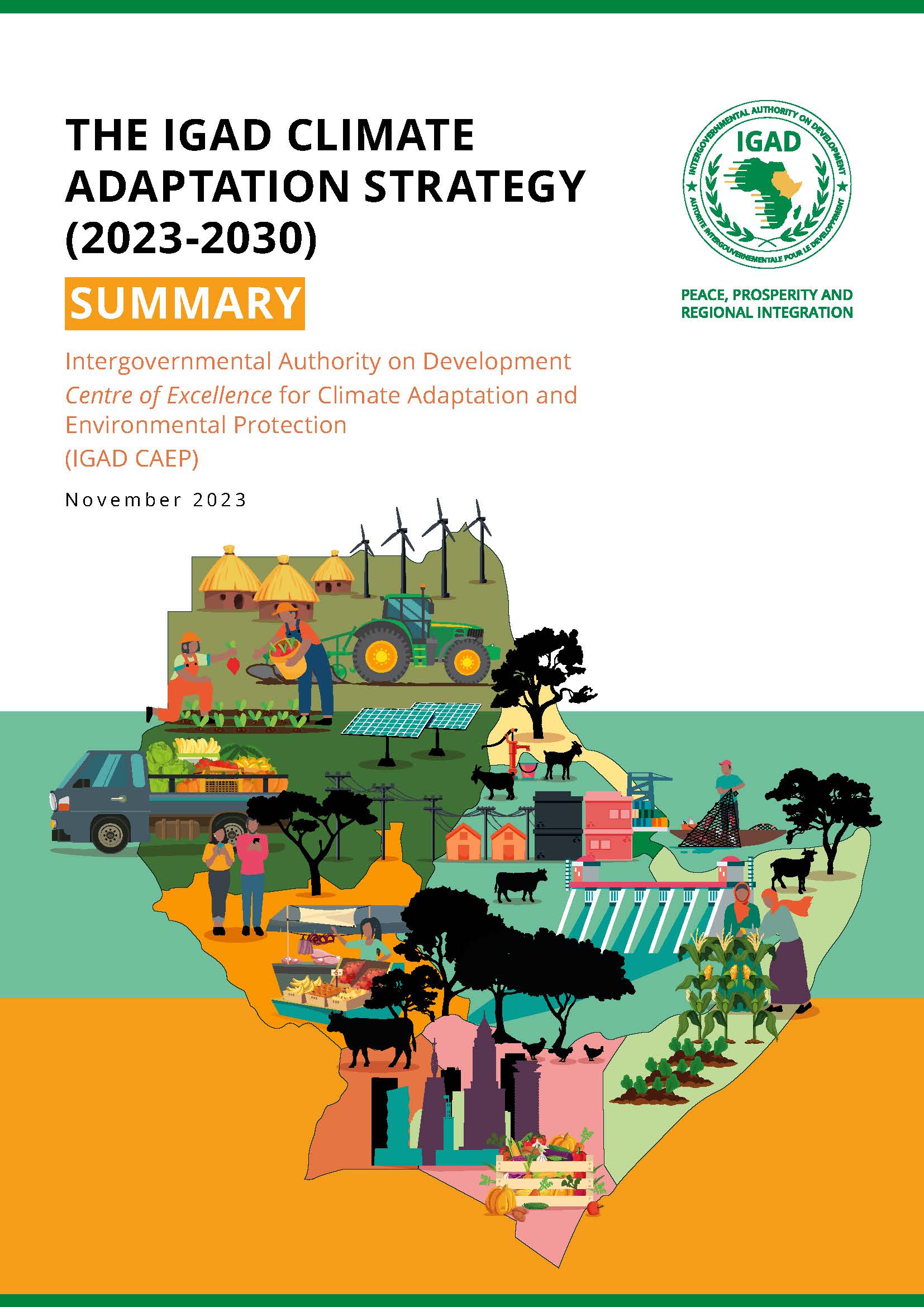
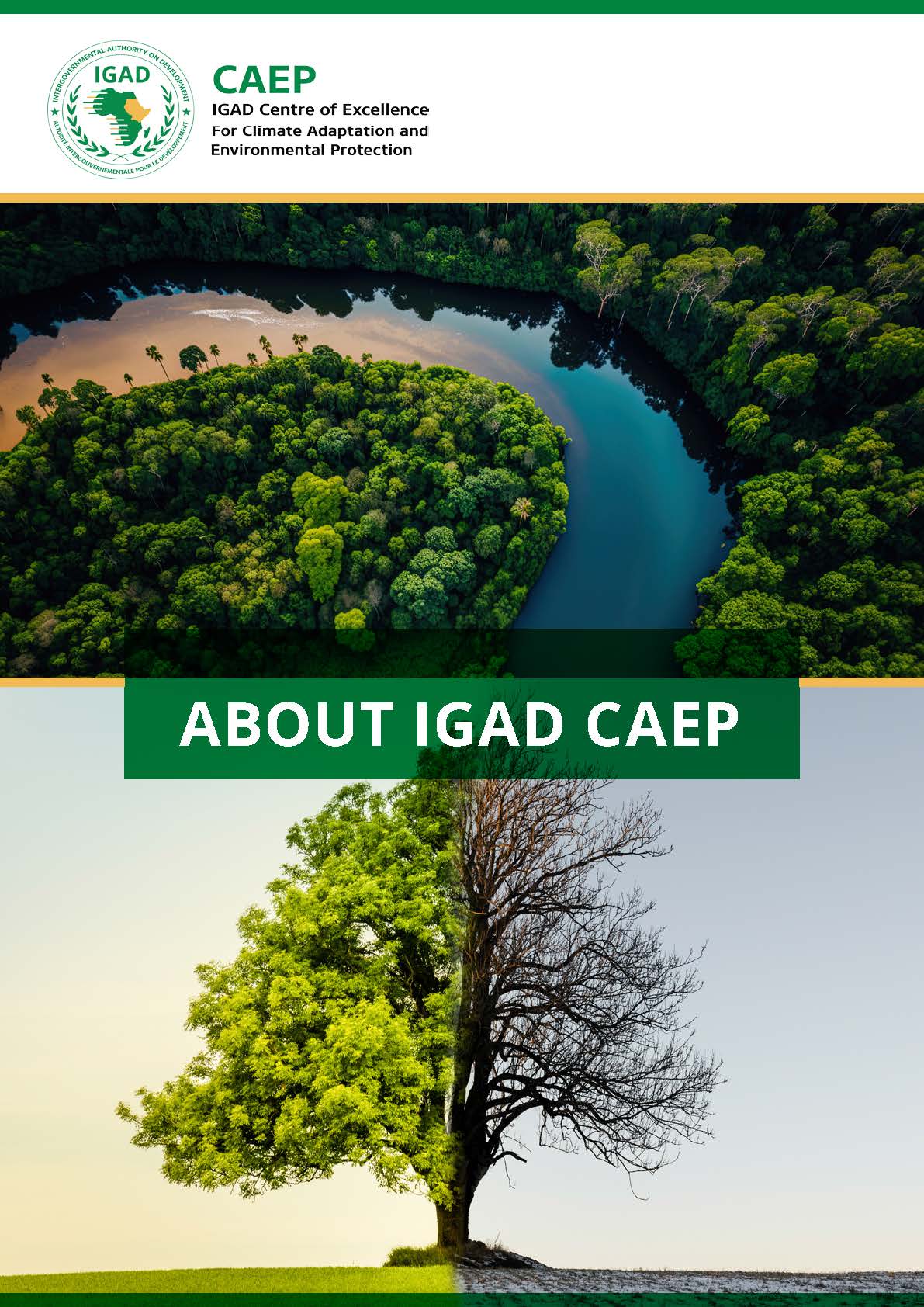
Intergovernmental Authority on Development Centre of Excellence for Climate Adaptation and Environmental Protection
(IGAD CAEP)
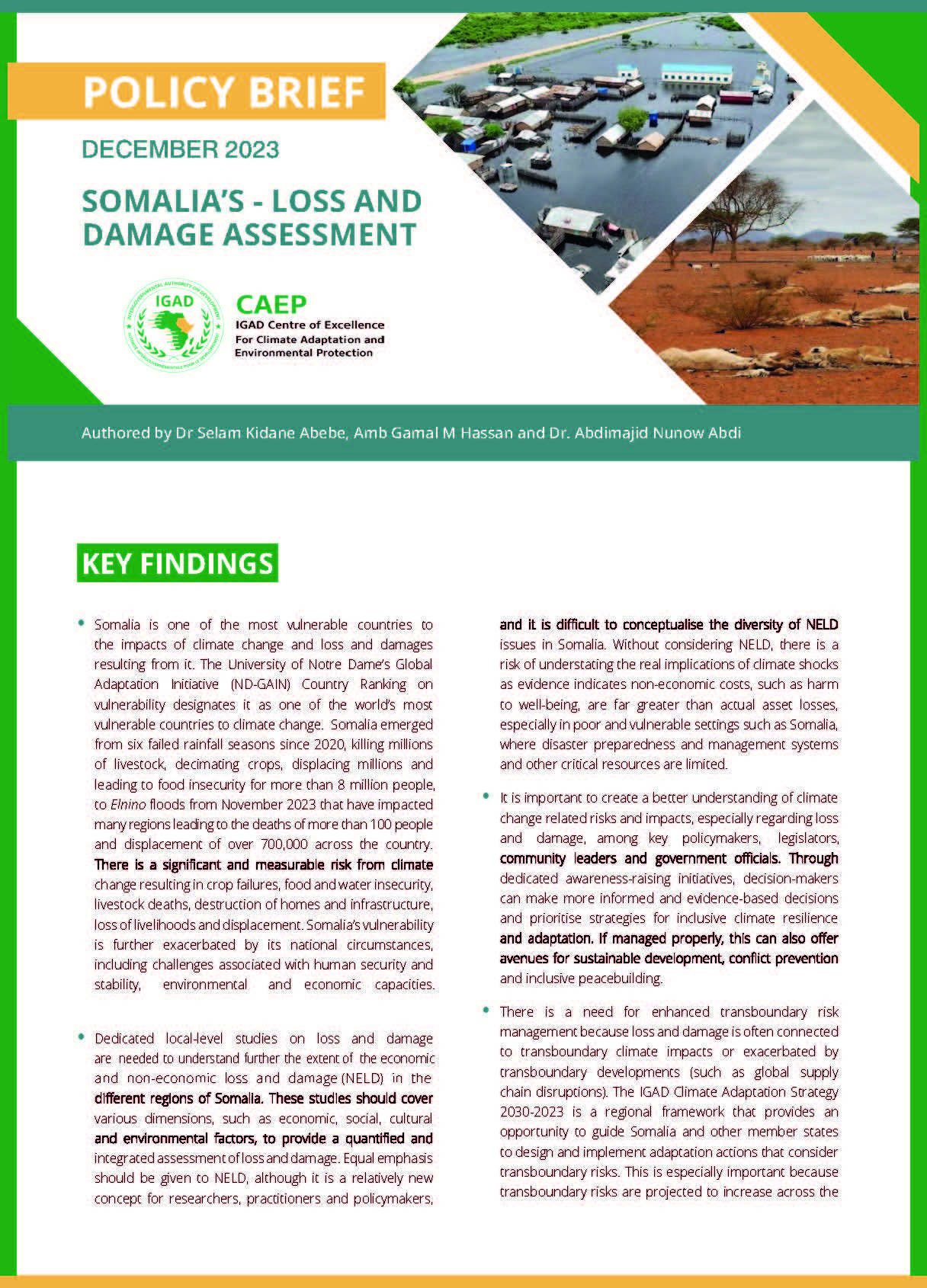
Somalia is one of the most vulnerable countries to the impacts of climate change and loss and damages resulting from it. The University of Notre Dame‘s Global Adaptation Initiative (ND-GAIN) Country Ranking on vulnerability designates it as one of the world‘s most vulnerable countries to climate change.
The IGAD Centre of Excellence for Climate Change Adaptation and Environmental Protection (IGAD CAEP) in Mogadishu, Somalia, was established on 23 December 2021. CAEP is an IGAD-specialized institution mandated to coordinate Climate Change Adaptation and Environmental Protection efforts in the eight IGAD countries comprising Djibouti, Eritrea, Ethiopia, Kenya, Somalia, South Sudan, Sudan and Uganda.
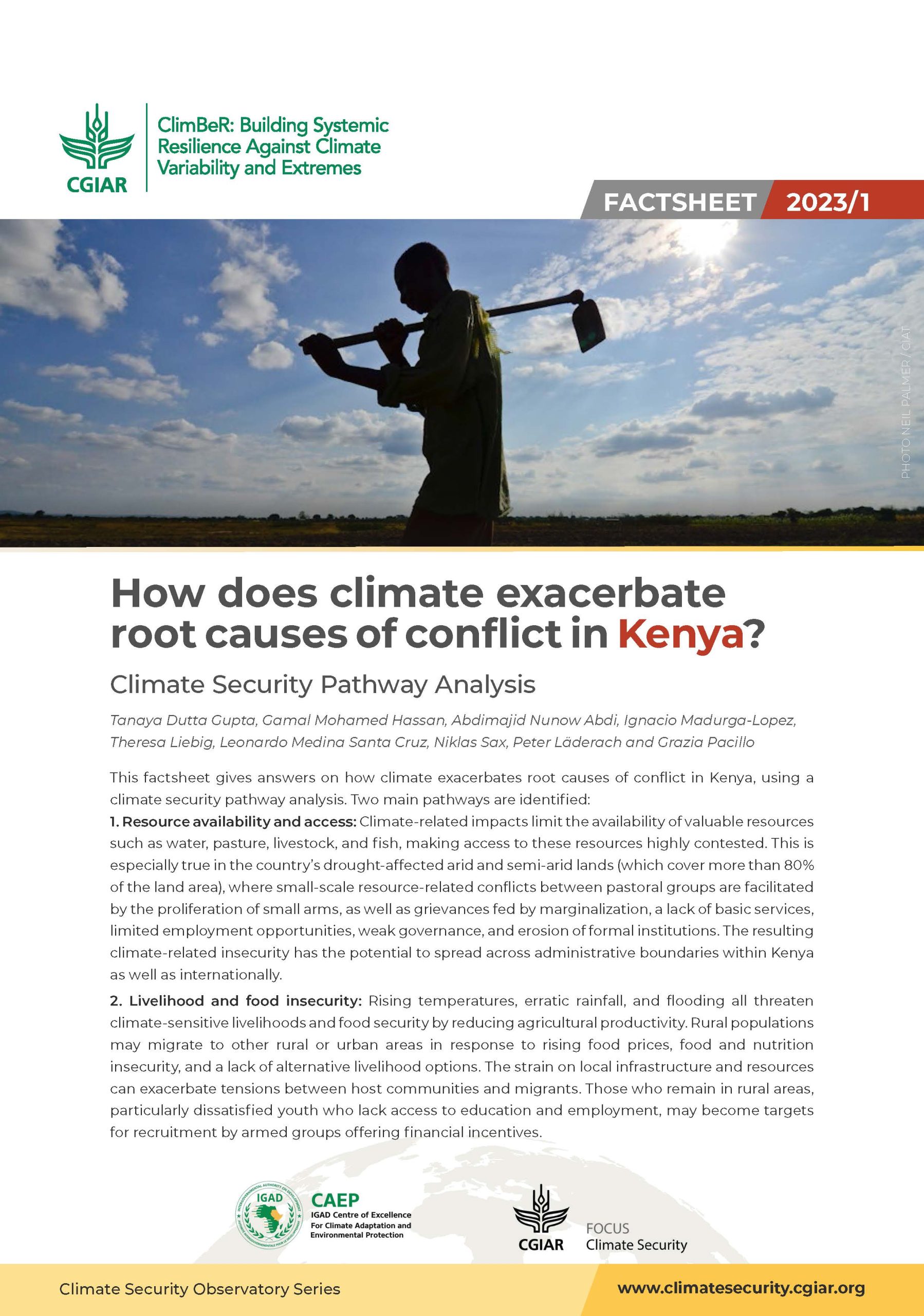
This factsheet gives answers on how climate exacerbates root causes of conflict in Kenya, using a climate security pathway analysis.
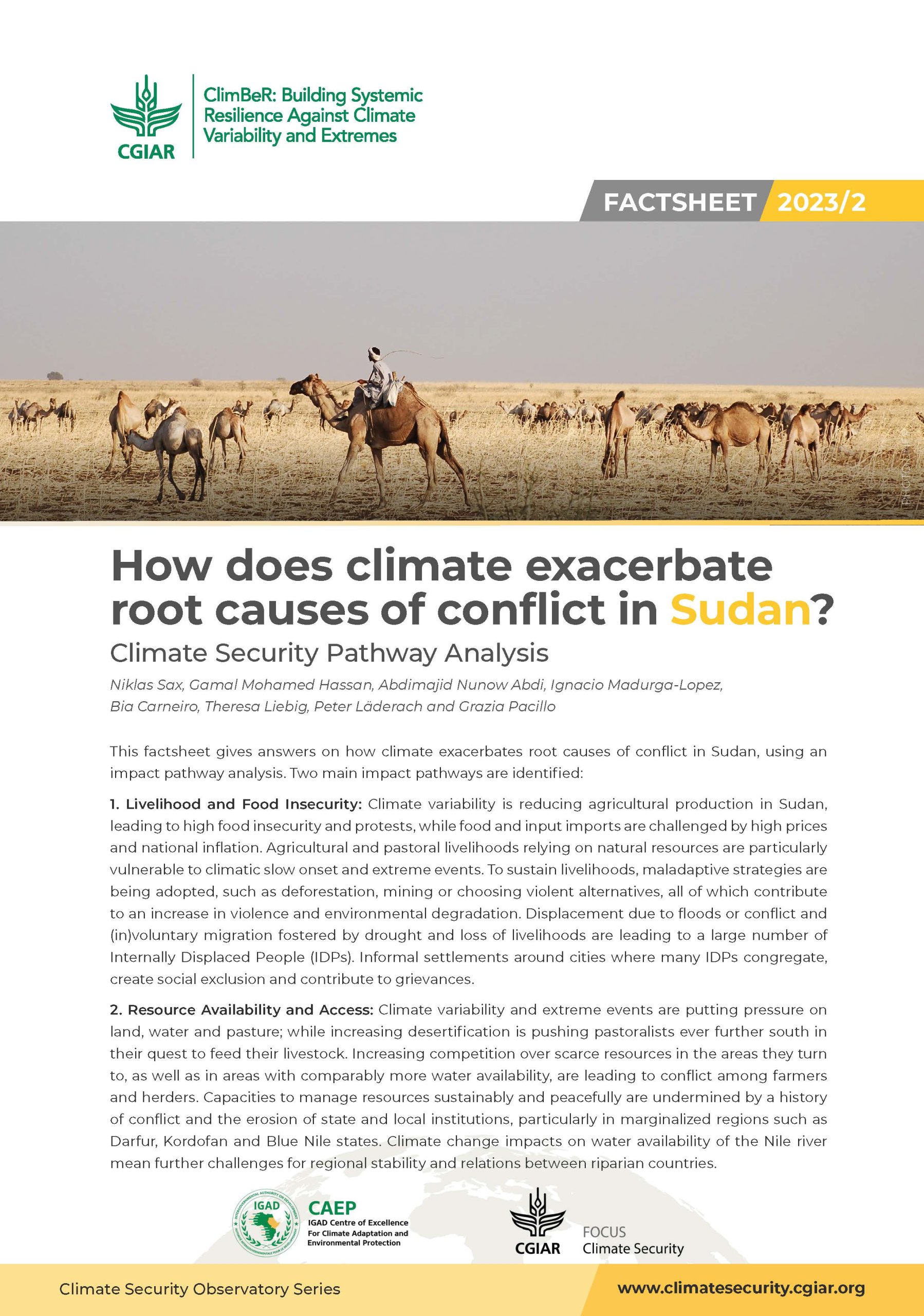
This factsheet gives answers on how climate exacerbates root causes of conflict in Sudan, using an impact pathway analysis.
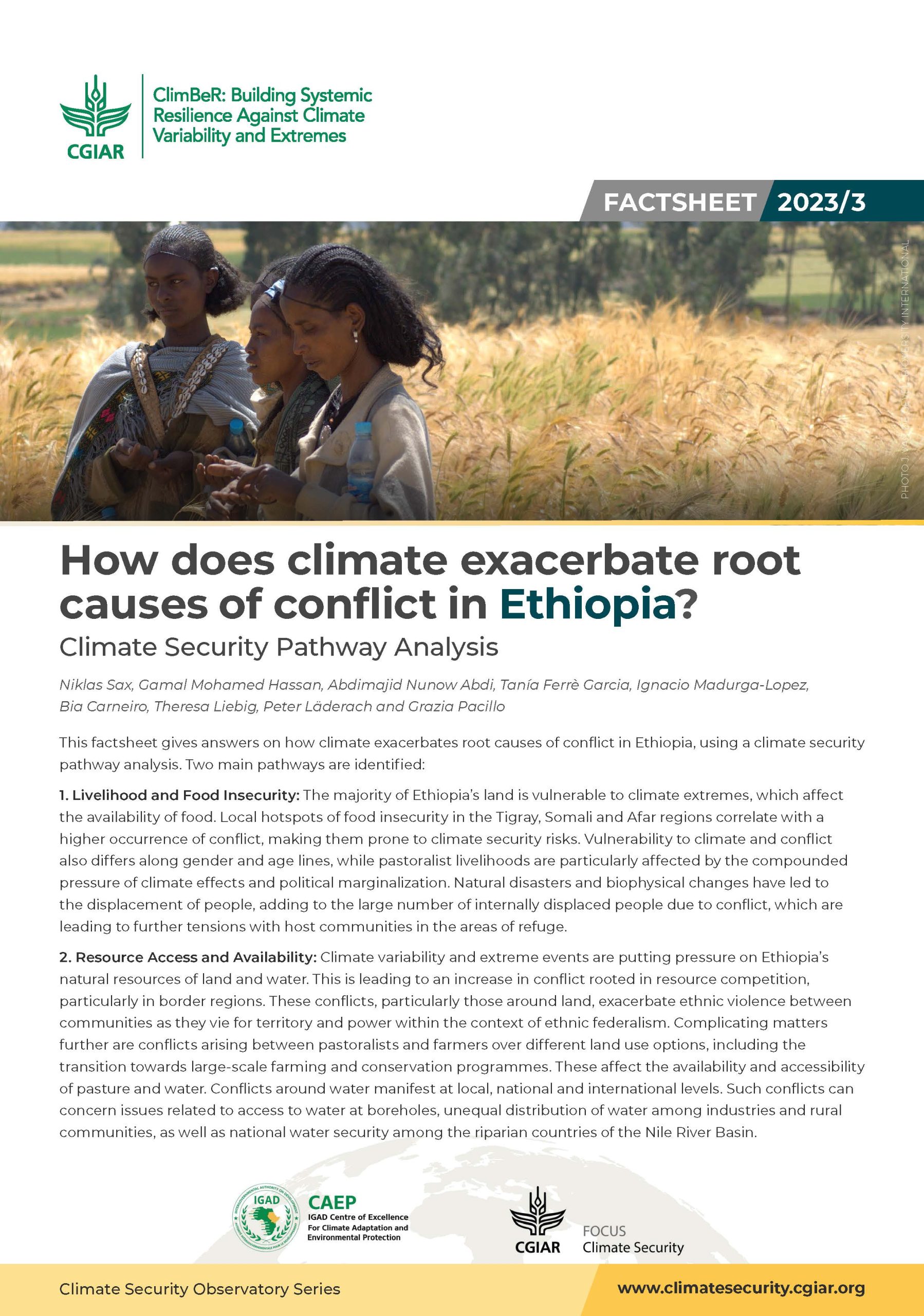
This factsheet gives answers on how climate exacerbates root causes of conflict in Ethiopia, using a climate security pathway analysis.
The objective of this brief is to detect and evaluate the in-text presence of particular topics and discursive framings related to the climate, peace, and security nexus in Somalia, thereby revealing trends of successful – or conversely, gaps – in understanding and engagement with the nexus.