IGAD was initially established in 1986 as the Intergovernmental Authority on Drought and Development (IGADD) to coordinate the efforts of the Member States in combating desertification and promoting their efforts to mitigate drought.

IGAD was initially established in 1986 as the Intergovernmental Authority on Drought and Development (IGADD) to coordinate the efforts of the Member States in combating desertification and promoting their efforts to mitigate drought.
The Intergovernmental Authority on Development (IGAD) was established in 1986 to respond to drought, desertification, famine and related disasters by coordinating regional cooperation among Member States and partners.
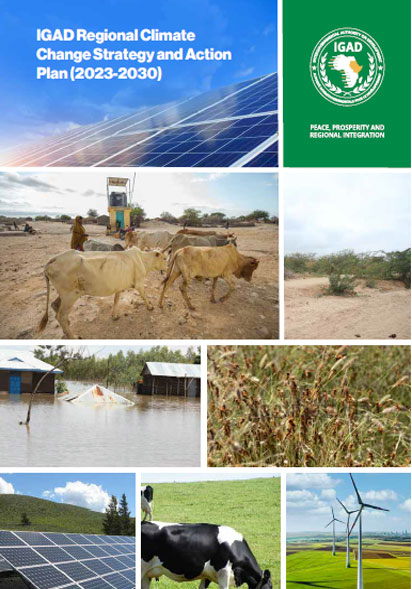
Human-induced climate change is happening at a faster rate than expected, and its impact is being observed and felt in all corners of the world. The IGAD region has already experienced temperature rises, shift in rainfall patterns, high frequency of droughts and floods, reduced food production, increased risks of health and reduction in water availability.
The drought that hit the Horn of Africa region in 2010-2011 wreaked havoc and devastated the lives and livelihoods of more than 13 million people in the IGAD region. However, this disaster also became a significant turning point; it highlighted the ineffectiveness of past drought response practices; and brought to the fore the urgent need to address the catastrophic phenomenon of recurrent droughts in a more effective and sustainable manner.